Tag: JCAP

Enkindling other lights with the light of Jesus

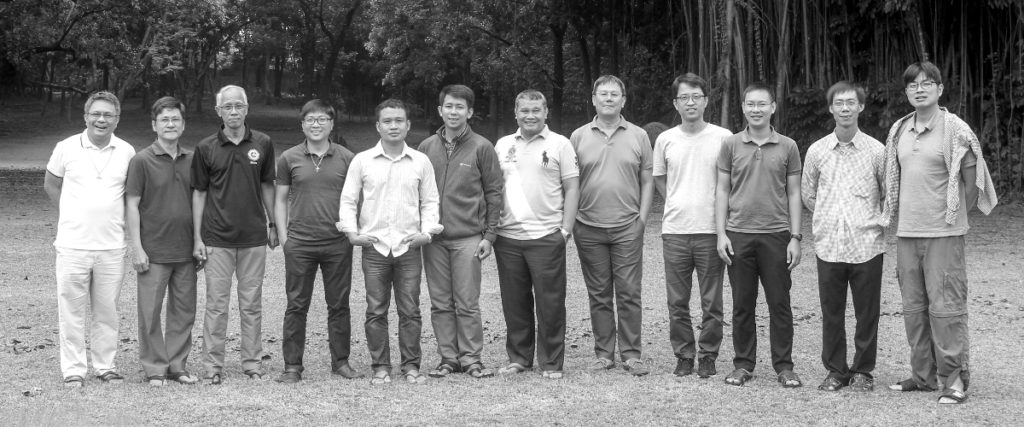
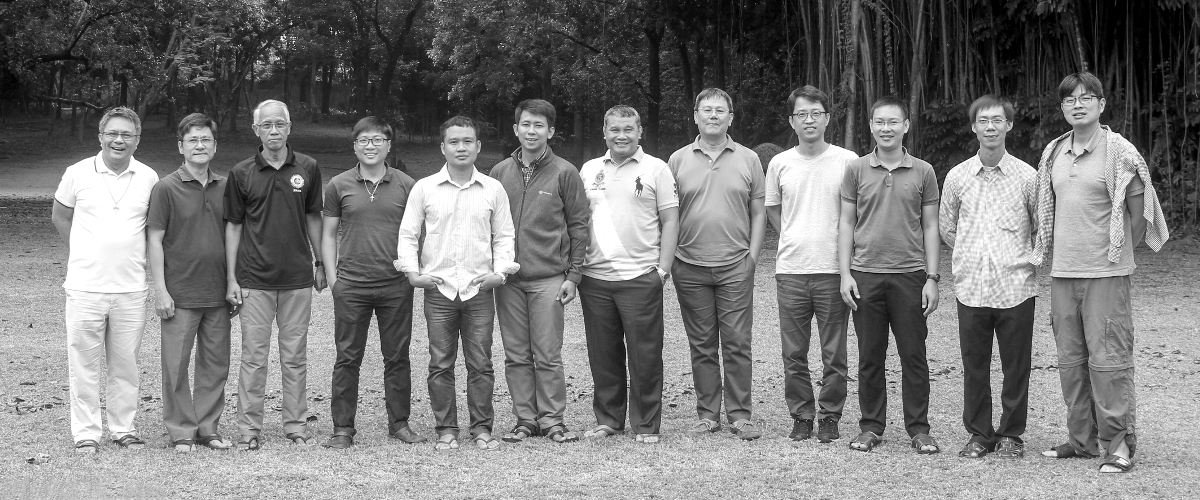
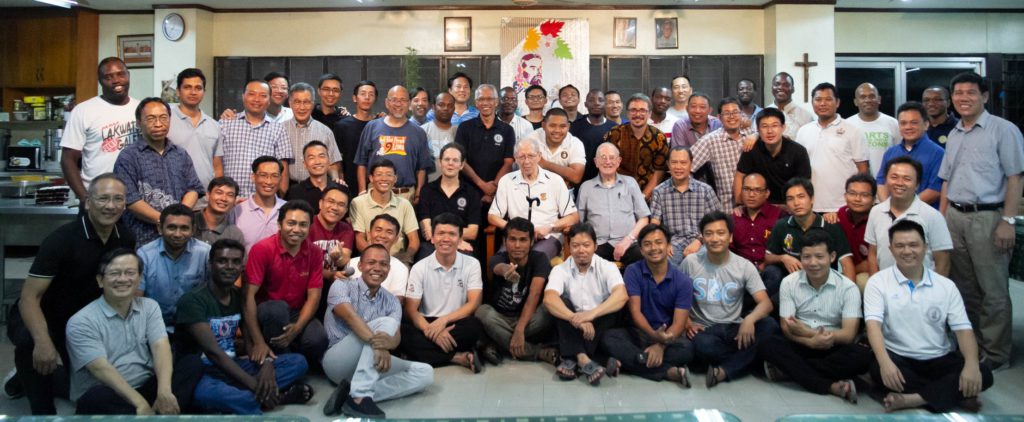
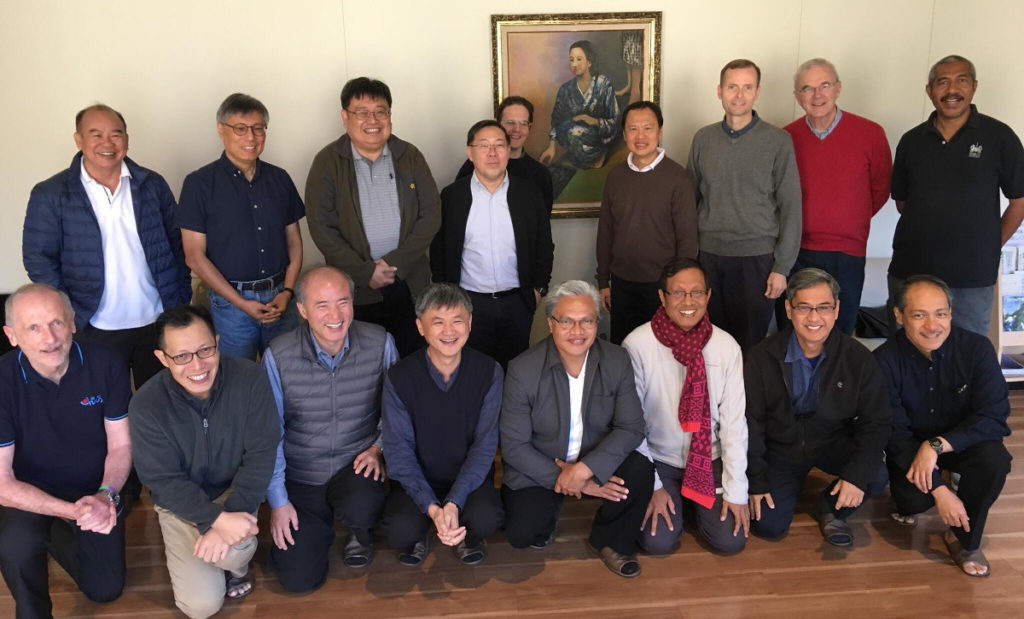
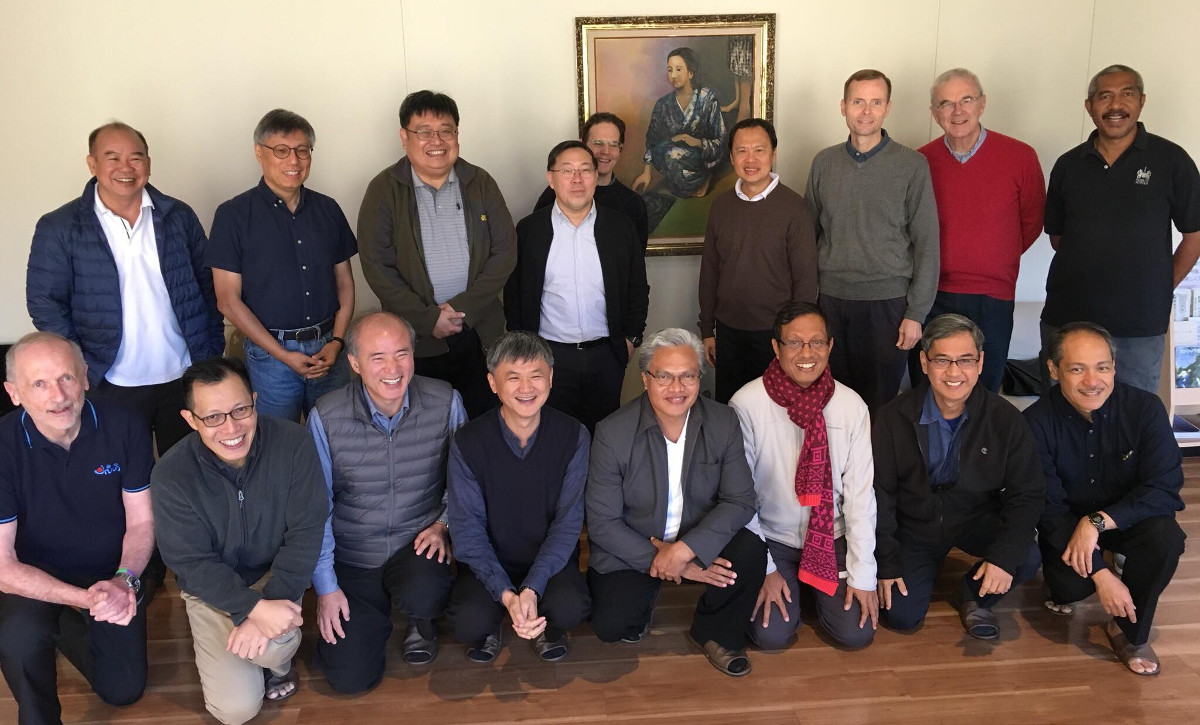
The JCAP Major Superiors in Tokyo during their days of discernment on the Universal Apostolic Preferences

Dear friends and mission partners,

Greetings of Peace.

It is striking to note that the first ones to receive with great joy the news of the birth of Jesus are the shepherds, not the rich and powerful. The shepherds are excluded in many respects in Jewish society. They are at the margins of society since they are the voiceless, poor and deprived of any influence in public life. By contrast, the people who are self-sufficient and powerful are unable to encounter and accept Jesus. King Herod the Great, for instance, fails to meet him and orders the massacre of the children born around the time of Jesus. While the shepherds matter less in the eyes of the world, they are a very privileged people in God’s view. They find life and hope in Jesus.

Christmas is the time to encounter Jesus as someone who gives life and hope to our broken and divided world. The contemporary shepherds are all around us. They are in many areas where there is so much poverty, environmental degradation, conflict and exclusion. The South Sudanese people, particularly those afflicted by poverty, ongoing conflict and violence, long for peace founded on justice. They pin their hopes on people like Fr Victor-Luke Odhiambo SJ who committed his life of service to them as an educator. But he was killed on November 15 at the Jesuit Residence in Cueibet in South Sudan. The local government declared a three-day period of mourning in recognition for his life of service. He could have asked to be reassigned to a safer area, but he embraced the mission entrusted to him and chose to remain and serve the people through education. As a result, he touched so many lives. Father General Arturo Sosa writes: “He is light, which has been extinguished, but after enlightening other lights.”

May we receive the light of Jesus, and enkindle other lights. May we truly encounter Jesus this Christmas so we can also give life and hope to our world in need of reconciliation and justice.

Blessed Christmas to one and all. May the New Year be another season of grace.
Fr Antonio Moreno SJ
President, Jesuit Conference of Asia Pacific
Christmas 2018

Voices from Leadership by Conversation workshop

2018.11.Ignite-IPP-group-photo

What better way to practice cura personalis than to use an approach to Growth Coaching that is based on ‘listening to the self, to others, to creation and to God?

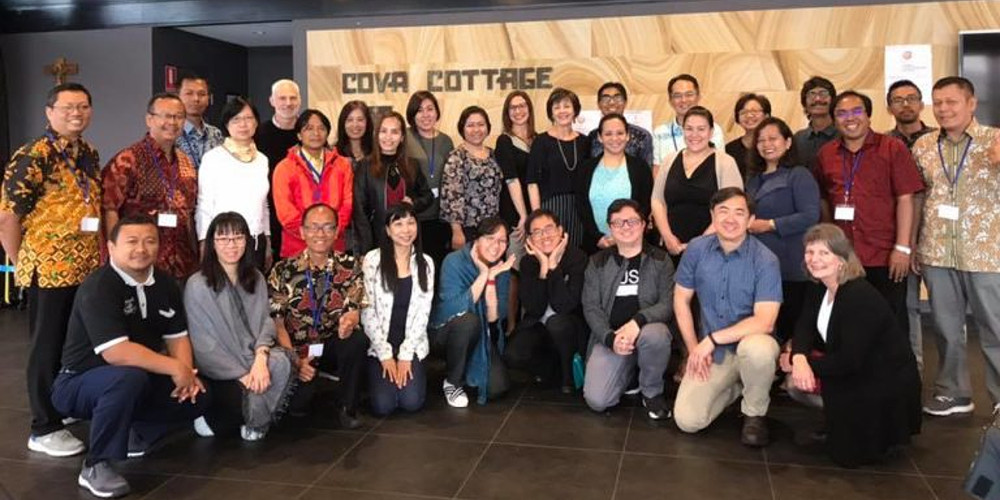
This was the premise of the second workshop on Ignatian Pedagogical Paradigm organised by the Jesuit Conference of Asia Pacific Education Secretariat. The workshop combined Ignatian conversation with Growth Coaching and best practices on feedback giving.

The idea first emerged in Kamakura, Japan, where a team from St Ignatius’ College, Riverview, Australia conducted the Ignatian Teachers Program.

“The group agreed that a module on coaching and mentoring based on the Ignatian ministry of holy conversations would respond to an important need among educators in our Asia Pacific schools, and so here we are!” shared JCAP Education Secretary Fr Johnny Go SJ.

Twenty-six educators from the Philippines, Hong Kong, Macau and Indonesia had gathered at St Ignatius’ College, Riverview for the workshop, which was held from November 11 to 17.

Fr Ross Jones SJ, Rector of St Aloysius and former Rector at Riverview, set the tone by talking about St Ignatius of Loyola’s ministry of holy conversation.

Bill Hobbes drew from his vast experience working with the former Jesuit Secondary Education Association in the United States to help the participants grow in self-awareness and understand the dynamics within organisations.

Scholastic Bagus Sugiyono SJ, a first-year regent at Kolese Kanisus in Jakarta, was grateful for the theoretical and practical things he learnt at the workshop. “There are several new insights that I got on how to practice cura personalis for students, as well as teachers,” he said.

Mandy Yu from Estrella do Mar in Macau was “excited and thankful” for the experience to “deepen my spirituality and help me grow”, and is looking forward to applying what she learnt in her school and in her teaching.

The participants were also joined by so-called “Companions” from Riverview who helped to model what coaching based on Ignatian conversation is like. The participants’ first-hand encounter with these expert practitioners proved to be a powerful learning experience.

“I still find it amazing how Ignatian Conversation can be seamlessly linked to Growth Coaching and how feasible it is in our own school setting,” shared Chaveli Ventosa Dela Cerna of Xavier School, Philippines, who found many possibilities for faculty and staff formation in Jesuit institutions.

Irene Cheung, Principal of Colégio Mateus Ricci, appreciated the new approaches she learnt in coaching and listening, as well as the use of tools such as the Myers–Briggs Type Indicator. “The feeding forward bridge,” she added, “is what I most want to master and apply.”

Likewise, Antonius Agus Sulistyono from St Peter Canisius Minor Seminary of Mertoyudan, Indonesia, said that the “feeding forward conversation taught me how to make others better and to lead them to God”.

For many of the participants, the workshop was an opportunity to examine their leadership style.

“I was able to step back and reflect on how I can be a better companion to the teachers and students I work with and how I can lead them to be better partners in the mission,” shared Chuchay Rolan-Lugapo of Xavier School, Philippines.

Vivian Cheng of Wah Yan College, Hong Kong hopes that after the workshop, “each one of us can be a better companion to our students and colleagues”.

For Ag Prih Adiartanto, Principal of De Britto College, Yogyakarta, Indonesia, his most valuable takeaway was, simply, learning how to listen.

Maan Estrellado-Domingo of Xavier School, Philippines shared a similar realisation: “It is not my brilliance, but the love that I put in the conversation that matters”.

The next education workshop will be on communal discernment from April 26 to May 2, 2019 at the Seven Fountains Retreat Centre, Chiang Mai, Thailand.

Hear Them Speak

Ordination

On 27 October, 15 candidates from Arrupe International Residence and Loyola House of Studies will be ordained to the diaconate.

Here they are, sharing in their own words about their consolations, struggles and hopes for the future.


Fostering intercultural competence at Arrupe International Residence

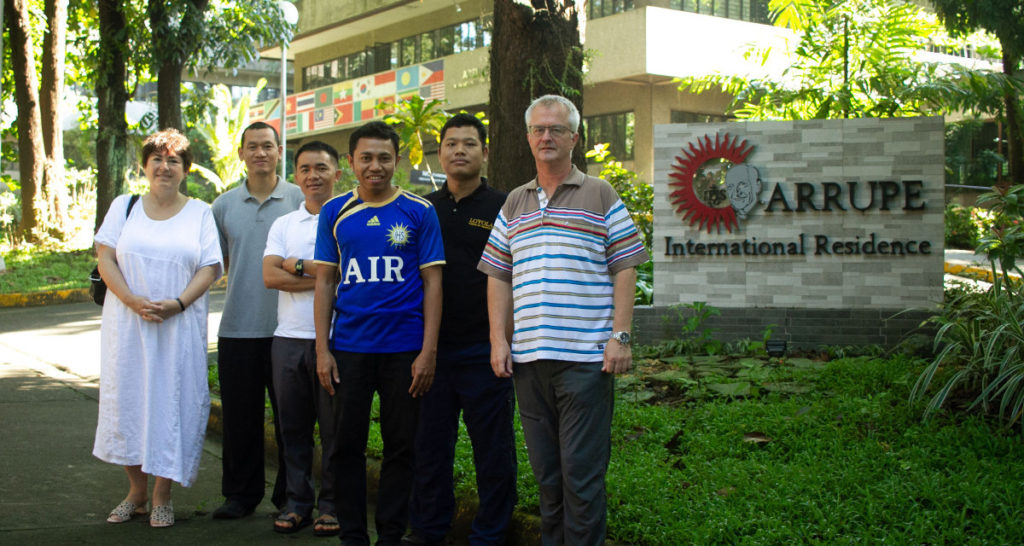
Dana Zumr (far left) and Fr Anton Kurmann SJ (far right) with scholastics from Myanmar and Timor-Leste supported by the Swiss Mission Office | Photo by Harry Setianto SJ

At the Arrupe International Residence (AIR) in Manila, diversity is not aspirational–it is a reality.

“We have a global family,” shared Fr Anton Kurmann SJ, a Swiss Jesuit who stayed at AIR from 2001 to 2004 while studying sociology at the Ateneo de Manila University. “This connectedness is one of the great contributions of AIR.”

Jesuits from across Asia Pacific, South Asia, Europe, North America and Africa come to AIR for the unique residential and formation experience it offers. Living there gives them a chance to engage in intercultural sharing on a daily basis. It is also an opportunity to build great networks for their future ministries.

“Globalisation brings us into contact with people of different nationalities and different religions, and we must be able to find ways to dialogue,” said Fr Kurmann during a recent trip to the Philippines as director of the Swiss Mission Office.

His time at AIR challenged him to adapt and be “more international” in his concept of the world. “One of my first struggles was to accept that in Arrupe people drink wine and beer with ice cubes,” he related in mild bewilderment and smiling. “In my culture, that’s a mortal sin, but I learnt to accept that it also works.”

Fr Kurmann strongly believes that Jesuits must be “interculturally competent”. Being only in their community, he says, is not an option for Jesuits. He cites AIR as a model in preparing Jesuits for international apostolates. The diversity of life at AIR complements the Asian Theology Programme at Loyola School of Theology (LST) to help prepare Jesuits–wherever they come from–for service within their own contexts of the universal mission of the Society.

“In Arrupe, you live with people from a variety of ethnicities and cultures, while LST gives you the tools to reflect on your experiences in your daily community life. If you are still more interested, Ateneo provides you with courses such as anthropology and sociology to make you reflect more on making positive interactions,” shared Fr Kurmann.

Fr Kurmann with the AIR Community, September 2002

The Swiss Mission Office has been supporting the Jesuit Conference of Asia Pacific in the last decade or so through scholarships for scholastics staying at AIR. But the partnership goes all the way back at least 20 years–the Swiss Mission Office supported the construction of one of AIR’s buildings in the nineties.

“Supporting a Jesuit institution which does education and formation in an international setting like AIR makes a lot of sense because you fulfil one of the core functions of being a Jesuit, which is to be open to encountering people of other cultures and traditions,” said Dana Zumr, Swiss Mission Office CEO.

Zumr sees Jesuits as a bridge between communities. “Some people can do more in terms of playing an active part in bringing people together,” she said. “Jesuits, from the beginning, have done this through their approach of going to other communities, trying to adapt themselves to the culture and bringing it back to where they come from.”

She cites Myanmar as an example, a country very rich in culture with more than 100 distinct ethnic groups. “If the scholastics from Myanmar staying at AIR could help the Society go in that direction of intercultural dialogue, that would be something I would hope they would bring back to their country,” she said.

She also hopes to start long term relationships between the Swiss Mission Office and the scholastics they support, who eventually become priests and with pastoral ministries. “If they have ideas or projects, maybe Switzerland could support them. I think that would be great,” she said.

Fr Kurmann and Zumr believe that the future lies in Asia and subsidising the formation of the next generation of Jesuits is like having a glimpse of the future. “You have so many young people. They study theology but they are also connected to the other major religions, like Islam, Buddhism and even Hinduism. It’s a very interesting crystallisation. This is the core place to do all those connections,” said Zumr.

But Asia also faces many challenges, and the Swiss Mission Office also hopes to contribute to these areas.

“We want to support leadership, pedagogy and research, particularly on ecology. We want to contribute to research in the local context,” said Fr Kurmann. These areas are important to the Jesuit Conference of Asia Pacific.

“The conference has been a most reliable partner,” said Fr Kurmann. “It’s a constructive collaboration.”

Encountering hope and faith in the upshot of Japan’s great earthquake

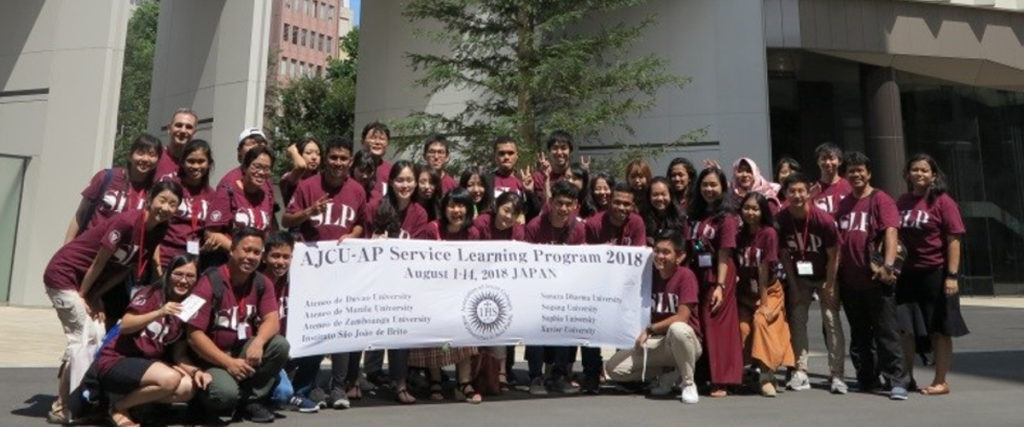
2018.09.SLP-participants-outside-Sophia-University-in-TokyoStudents from Jesuit universities in Indonesia, Philippines, Korea, Timor-Leste and Japan spent two weeks learning about post-disaster community recovery from the experience of Japan. Through volunteer activities and exchanges with people from the local community, the students studied the progress of the reconstruction and recovery of Iwate Prefecture, badly hit by the Great East Japan Earthquake in 2011.

During the first few days of their arrival, the participants attended lectures on Ignatian education and spirituality, and post-disaster recovery at Sophia University in Tokyo to prepare them for their service learning trip. Then they were sent out for their immersion to Iwate Prefecture.

In the city of Kamaishi, the students helped farmers weed at a local non-profit organisation farm, cleaned factory buildings, helped organise a festival for a nursery school and staged cultural dance performances for the elderly at a nursing home. Students and staff also joined the “Kamaishi Yoisa Festival”, a traditional dance festival held every summer.

Clockwise from top left: Students cleaning at the Ito Shoten factory; Indonesian, Korean and Filipino students performing a cultural dance at the Unosumai Nursery; learning the Japanese art of origami and calligraphy; weeding at Cosmos Farm

Since the students were there foremost to learn about disaster recovery, they visited areas that were worst hit by the 9.0 magnitude earthquake: the towns of Ofunato, Rikuzentakada, which was severely struck by the tsunami, and Unosumai and Otsuchi next to Kamaishi. With them was a professional tour guide who survived the disaster. In Ofunato, the students interacted with Japanese and Filipino Catholics who were brought together fortuitously by the tsunami. In the aftermath of the disaster, the town’s small Japanese Catholic community went around providing aid to survivors when they encountered hundreds of Filipino Catholics also living there. Since then, the Japanese and Filipino Catholics have revitalised the Catholic community, filling the Ofunato Church during Mass.

Some students experienced life-transforming changes in their values and perspectives from listening to the painful stories of the survivors. Many of them realised the importance of faith and gratitude for their life and surroundings. The students also discussed the case in their own countries, reflecting on ways to address natural disasters from their newly gained knowledge. The impact of their experience was evident in the sincerity and seriousness of the group reflections each evening and at the end of the programme.

“As an engineering student, my engagement with the local people opened my eyes to see beyond the colours of hazard maps and the sciences of infrastructure design and construction,” shared Garnelo Jose Cupay from Xavier University in the Philippines. “The call to magis for me is a call to listen and see the stories of the people who have been affected, and provide them with what they truly need.”

The activity was part of the Association of Jesuit Colleges and Universities – Asia Pacific’s annual Service Learning Program held this year from August 1 to 14 and hosted by Sophia University. Twenty-eight students and nine faculty members joined from eight universities, including six students from Sanata Dharma University in Indonesia, seven from the four Ateneo Universities in the Philippines (Manila, Davao, Zamboanga and Cagayan de Oro), four from Sogang University in South Korea, two from Instituto São João de Brito in Timor-Leste and nine from Sophia University. [With reporting from Sophia University]

To be formators rooted in the spirit of St Ignatius

Delegates of the JCAP Formation for Formators workshop with CIS Executive Director Fr Silvino Borres Jr (first from left) and JCAP Formation Delegate Fr Riyo Mursanto (third from left).

Ignatian accompaniment and spiritual direction were at the heart of the second module of the Jesuit Conference of Asia Pacific (JCAP) Formation for Formators workshop held recently in the Philippines. A basic rhythm of prayerful reflection, sharing of personal experiences and lectures helped the participants gain a better understanding of their own experience with God and learn to help others do the same through Ignatian accompaniment.

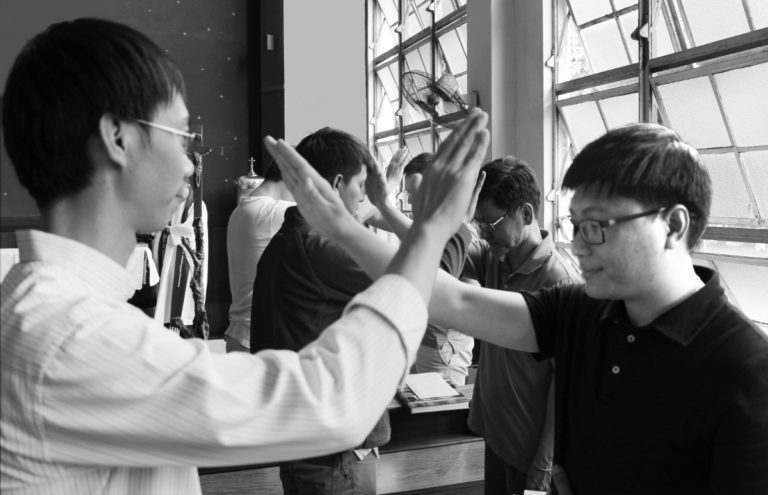
The delegates silently blessed one another with the Blessing of the Body.

The Center for Ignatian Spirituality (CIS) facilitated the workshop held from August 19 to August 29 at the beautiful and quiet Sacred Heart Novitiate and Retreat Center in Manila. The 11 participants came from Vietnam, Thailand, Korea, Indonesia, Singapore, Australia and China. They were accompanied throughout the workshop by JCAP Formation Delegate Fr Riyo Mursanto SJ and CIS Executive Director Fr Silvino Borres Jr SJ. JCAP President Fr Antonio Moreno SJ was also present during the first day to welcome them.

The variety of their backgrounds proved to be an enriching experience for the participants, who were nonetheless brought together by their unique Jesuit charism rooted in the life of their founder, St Ignatius of Loyola. The opening session focussed on “How God accompanied St Ignatius”. CIS Formation Director Fr Noel Vasquez SJ traced Ignatius’ inward journey towards God and then described how this inward journey later turned outwards as St Ignatius became motivated by a passion to “help souls”. He invited the participants to personally relate to St Ignatius’ experience by reflecting on how God had led them inwardly and outwardly to Him. Using the words of Etty Hillesum, Fr Vasquez reminded them to constantly reflect on how God is leading them: “If you want to teach others how to live, you must take yourself in hand. You have to go on taking stock of yourself.”

The second day was devoted to spiritual direction. Fr Borres gave a brief review of the traditions in Church history, the definition of spiritual direction and how it differs from other types of accompaniment like counselling, and the qualities of a spiritual director. In the next few days, the discussions dealt with how to conduct spiritual direction. Eva Galvey, co-founder of the Emmaus Center for Psycho-Spiritual Formation, defined what a religious experience is and then gave the criteria for evaluating whether a religious experience is authentic or not. Recognising an authentic relgious experience is crucial because “spiritual direction at its core is about helping a person to recognise an experience of God… and to respond to it more fully,” she said. She also pointed out various blocks and resistances in spiritual direction.

Training consultant Monchito Mossesgeld shared on basic helper skills, such as attentive listening, empathic responding and probing to further help the participants in their ministry of spiritual direction. His interactive approach and the numerous case studies he presented elicited active discussion in the group.

Fr Ramon Bautista SJ, Asia Pacific tertianship co-instructor, gave a short yet insightful lecture on the discernment of spirits and election, quoting scriptural as well as living examples. The same topic was expanded by Fr Borres who reminded the participants of the difference between feelings and movements regarding spiritual consolations and desolations. Several cases of discernment were presented and discussed after that.

Finally, the workshop dealt with ethical guidelines and supervision in spiritual direction given by Center for Family Ministries President Fr James Gascon SJ and CIS Associate Tina Mossesgeld, respectively. Fr Gascon admonished the young Jesuit priests of the possible danger of blurring the boundary of confession and spiritual direction. “You may be automatically excommunicated due to the breaking of the sacramental seal,” he cautioned.

The nine-day workshop might have been too short for a topic as serious and broad as spiritual direction, but it was undoubtedly very fruitful. “It really helped me a lot, ” said one of the participants, “especially in understanding the qualities required of a spiritual director and the importance of spiritual experiences. Moreover, the skillls of emphatic responding, probing and managing resistances will certainly help me to improve as formator.” As Galvey commented, these are not just skills that are easy to use, “you have to practise until they become your second nature”.


Engaging in Buddhist-Christian dialogue towards peace and reconciliation

2018.08.Buddhist-Studies-and-Dialogue-group

For the Buddhist Studies and Dialogue Group of the Jesuit Conference of Asia Pacific, there was no better place to talk about peace and reconciliation, the theme of this year’s workshop, other than Hiroshima. The city devastated by the first atomic bomb now stands as a beacon of peace and reconciliation. Continue reading “Engaging in Buddhist-Christian dialogue towards peace and reconciliation”

Young Jesuits deepen their understanding of what it means to be an Asian Jesuit

2018.08.EATEP-in-Chiang-Mai

What does it mean to be an Asian Jesuit? This was what 15 scholastics strove to understand better during the nearly month-long East Asia Theological Encounter Program (EATEP) in Chiang Mai, Thailand.

As Fr John Shea SJ, former EATEP Director, said in his introduction on the first day, the EATEP guides young Jesuits in exploring the meaning of inculturation and the position of the Church and Society regarding this, gaining an understanding of Buddhism in this context, and through this, understanding what it is to be an Asian Jesuit.

This is important for the Jesuits in Asia Pacific where Christians are a minority in most of the countries, which include the world’s largest Muslim country and several Buddhist majority countries. GC 34 recognised this: “Jesuits in Asia and Oceania… especially in Asian countries where Christians are a small minority, they dialogue with other cultural and religious traditions in an effort to put the Gospel in touch with Asian life and to bring the richness of Asian culture to the living of the Gospel.” (GC 34 Decree 2 N.2).

Through EATEP and a similar programme focussed on Islam, the Asia Pacific Theological Encounter Programme (APTEP), the Jesuit Conference of Asia Pacific also hopes to form a community to continue this important work of inter-religious dialogue in the future.

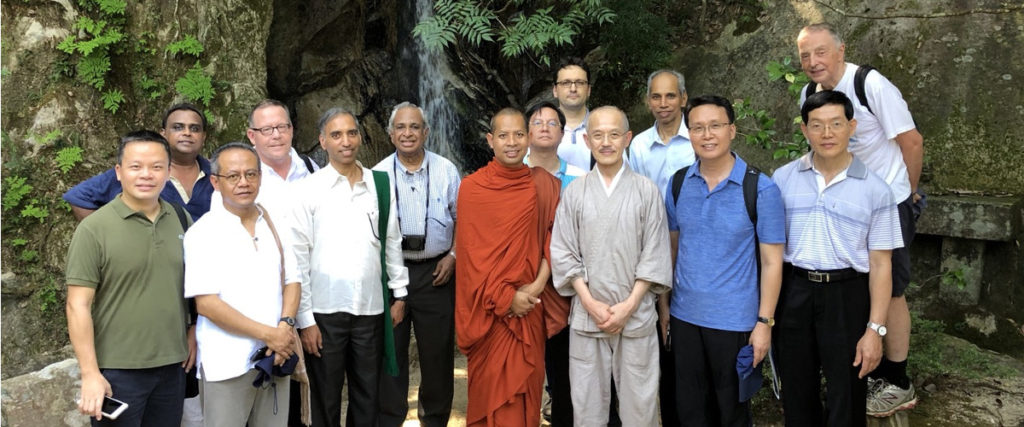
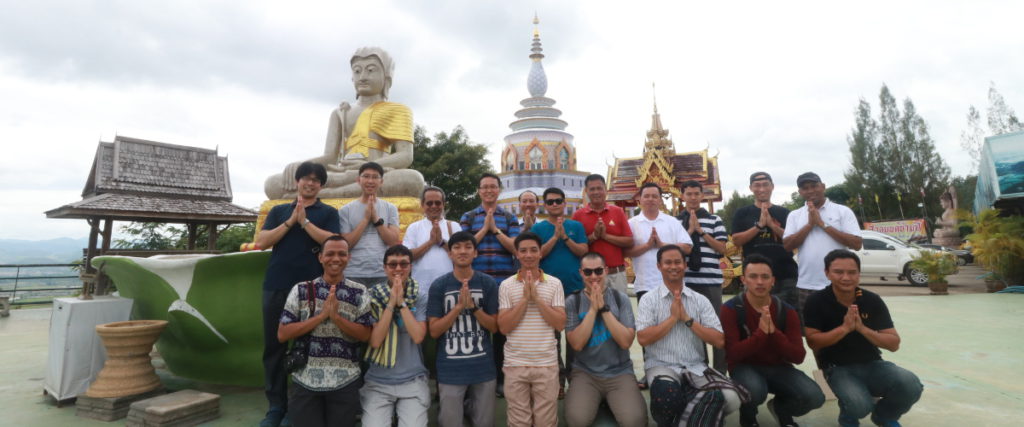
The participants for this year’s EATEP, held from July 3 to 29, came from Vietnam, Korea, Indonesia, Timor-Leste and China. The programme was as usual: an intensive 10-day course on Asian contextual theology with Fr Michael Amaladoss SJ, Director of the Institute of Dialogue with Cultures and Religions in Chennai, India, followed by a week of Buddhist meditation at Wat Tam Doi Tone. The participants also spent two weekends visiting Jesuit apostolates and Buddhist sites in Northern Thailand.

“A living theology can only be a contextual theology in a particular context of life,” said Fr Amaladoss who presented many Asian theology themes, such as the Asian Jesus, Jesus the ancestor, the cosmic Christ, The Mahayana Christ, liberation in Asia and Asian spirituality. “In the context of Asia, which is marked by poverty and the richness of cultures and religions, doing theology means doing dialogue with other cultures and religions.”

One difference between this year’s programme and previous EATEP was the use of spiritual conversations. EATEP Director and JCAP Secretary of Buddhist Studies and Dialogue Fr In-gun Kang SJ had the participants do three rounds of spiritual conversations every morning after the second session. This further enriched the participants’ experience and learning, and helped them form what will, by God’s grace, become deep friendships.

“From our Buddhist friends, we learn that emptying our mind does not mean to have ‘nothing’ inside but to fill it with ‘something’ greater than our ordinary desires; that is, compassion and wisdom,” said Fr Kang.

The five days of Vipassana meditation were a deep encounter with the Buddhist tradition for the participants. Besides the hours of meditation, the master monk also gave a one-hour talk every evening. He emphasised that “by living in the present moment with mindful awareness, we can build a profound inner peace within our hearts and bring the same peace to the world”.

Indonesian Scholastic Leo Perkasa Tanjung SJ shared that encountering Buddhists by visiting temples and doing Vipassana meditation “helped me so much to understand theology not only on a theoretical level, but also concretely as it relates to real life”.

Scholastic Phùng Mạnh Vĩnh Nghi SJ said that EATEP awakened him to correct whatever prejudices he had with other religions. “I still feel that there is a gap between my faith and my commitment, and a hesitation toward dialogue with other religions,” he shared. “EATEP helped me fill this gap by giving me the chance to reflect on my own faith and the way I should integrate it with my commitment.

“When we commit ourselves deeply in the service of God and man, we will be drawn closer to the faithful of other religions and there will be no arguing about my God or their gods, but all will feel like being united in the Holy and Divine One.”

Student leaders learn to be open to going beyond borders

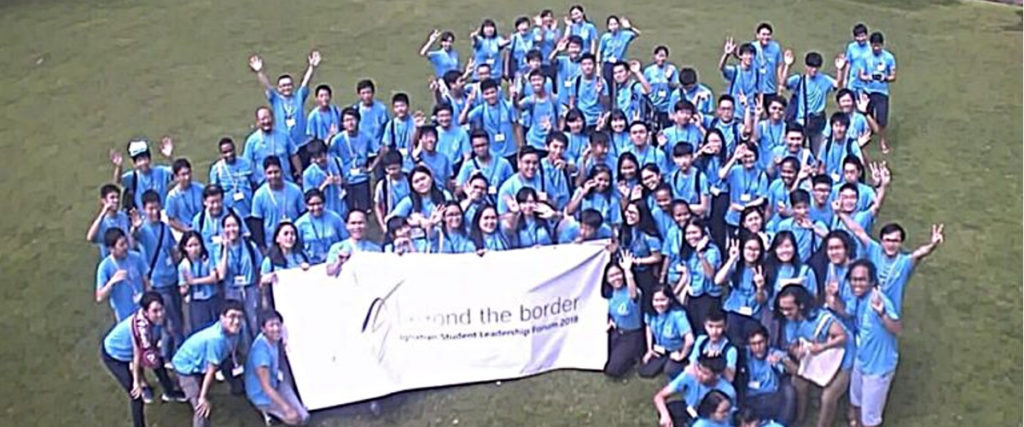
2018.08.4th-ISLF-Delegates“Our language and culture might be different, but what mattered most is the emotional connection we had. This allowed us to be more open to cross our borders.” Yohana Pegas Syane of Gonzaga College (Jakarta) realised this after participating in the six-day 4th Ignatian Student Leadership Forum (ISLF).

More than 70 student leaders from 19 Jesuit secondary schools in Japan, Taiwan, Macau, Hong Kong, Indonesia, Philippines and Timor-Leste gathered in Tokyo for the forum. It was storming when they arrived on August 8, accompanied by their teachers, but by the time they reached the Sophia University Junior College Hadano campus on the outskirts of Tokyo, a full rainbow blazed in the sky to welcome them.

Fr Sali Augustine SJ, Sophia School Corporation Trustee for General Affairs, welcomed the delegates and presided at the opening Mass. It did not take long for the delegates to bond and make friends, especially with the sports activities the next day.

ISLF began six years ago when five schools in Asia Pacific decided to hold a gathering of student leaders together. They wanted to offer student leaders a chance to get to know their peers in other Jesuit schools and learn from each other about Ignatian leadership in their contexts and experiences. The first ISLF was hosted by Xavier School in Manila.

This year’s theme, “Beyond the Border”, challenged the student leaders to go beyond their own cultures and comfort zones as they discussed world issues such as migration, war and ecology. They also had an opportunity for immersion. Scholastic Naoki Ochi SJ, who conceived the theme, explained that he opted not to use the verb “cross” because “to cross the border is a grace”.

He also hopes that ISLF will help to “promote inter-province events more and more because differences of provinces are not boundaries”. Indeed, this is what many participants realised.

“I grew up in a country where it is so easy to create a lot of borders. But this is not helpful for my country and for the world,” said Ruka Matsumoto of Sophia Fukuoka (Japan). “I’ve realised that I can begin to change this perspective if I change my own perspective first.“

Jules Malhabour of Ateneo de Iloilo (Philippines) said that the most significant lesson he learnt is that people create their own borders. “We are the ones who create our own ‘borders’ and therefore, only we have the ability to erase them. The ISLF experience truly opened both my eyes, and my heart.”

For Danielle Francine Reyes, also from Ateneo de Iloilo, the ISLF was “a bridge among these differences, [that] built strong friendships among countries and brought us fruitful experiences”.

Aprilia de Jesus of Colégio de Santo Inácio de Loiola (Timor-Leste) agrees. “Our differences in cultures and languages do not separate us because we are united as sons and daughters of St Ignatius”.

The forum was also a rewarding experience for the teachers and organising team.

Wah Yan College (Hong Kong) teacher Kei Fung Vic Chan was pleased to see how the students grew as they were given the flexibility to discover what they could do and to explore their personal growth. “In the classroom, teachers at times focus on strategies rather than the person of the students. This is in itself a border that divides. With ISLF I saw how the students learnt more deeply than what is taught in the classroom,” she said.

Muyako Sakura of the Jesuit Education Center office helped to organise the event, and was happy to see the students gradually open up their eyes and hearts to issues of migrants, wars, and ecology.

For Yoshitoshi Kado, a volunteer from Tokyo University, the forum was an “unforgettable memory”. “It was the first time in my life to talk about faith in the Lord with teenagers from other countries and it was very stimulating,” he said.

At the end of the forum, Scholastic Kotaro Mori SJ, who headed the organising committee, likened the ISLF experience to that of the disciples on their way to Emmaus (Luke 24:13-35). They all felt a burning in their hearts, a common flame that will hopefully inspire them to go out into the world beyond their borders.

JCAP, EAPI and AIR thank Fr Nicolás as he returns to Japan

JCAP, EAPI and AIR thank Fr Nicolás as he returns to Japan

Fr Adolfo Nicolás’ returned to his home province of Japan on August 6, 2018. He left Manila early in the morning accompanied by Japanese Provincial Fr Renzo De Luca, and arrived safely in Tokyo where they were met by Fr Sanji Yamaoka, Socius, and Fr Yasunori Yamauchi, Assistant to the Director of Loyola House, Fr Nicolás’ new residence.

Before he left, JCAP and his communities in the East Asian Pastoral Institute and Arrupe International Residence gathered to thank him and bid him farewell.