

Author: 爵醒
We at The Beijing Center (TBC) are all deeply disturbed by the recent violent outbreak against Asian Americans, and we are horrified at the continued unfolding of racially motivated acts of hate and violence. As we collectively continue to battle against the ongoing pandemic, an increase in violence and additional deaths points to the need to expand the awareness of bias and discrimination that is still very much present in our societies.
As we firmly stand with the Asian community now and always, we recognize the severity of this occurrence and the urgent need for positive change and global unity. The effects of this act of violence reach beyond Atlanta, reminding us all of the harsh reality – that any individual, regardless of race and ethnicity, can be targeted and that we should work towards eliminating the propensity for violence.
As an international education institution built on a multicultural Jesuit identity, we can’t help but be grateful for the inclusive and diverse community and company culture we have cultivated. In doing so, we are taking this racially-motivated violence towards the Asian community with a heavy heart and an open mind into further understanding the intricacy of injustices brought on by intersectionality.
On March 13, 2021, The Beijing Center held an online webinar discussing a prevalent global issue at the moment – mental health. Continue reading “Ancient Practices to Improve Mental Wellness: Insights from Daoism, Spiritual Discernment, & Taichi”
Fostering a safe and supportive environment, especially where children and vulnerable people are concerned, has been at the forefront of the mission of the Society of Jesus. It is in fact one of three important matters entrusted by General Congregation 36 to Fr General Arturo Sosa SJ to “promote within the Society and its ministries a consistent culture of protection and safety of minors”, acknowledging that there remains much more to be done in becoming real advocates of the protection of minors.
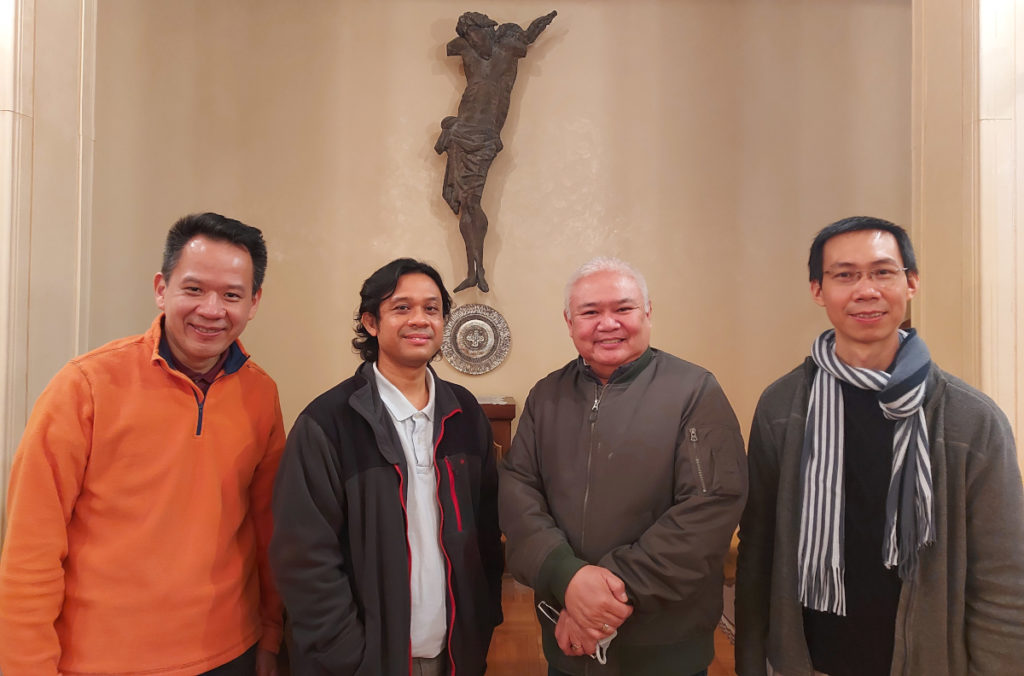
There are currently four Jesuits from our conference who are in Rome for exactly this purpose. Fr James Wenceslao U Gascon SJ from the Philippines, Fr Agustinus Tanudjaja SJ from Malaysia-Singapore Region, Fr Alis W Prasetya SJ from Indonesia, and Fr Vincent Phuc Minh Nguyen SJ from Vietnam are just beginning their diploma course on safeguarding at the Centre for Child Protection (CCP) of the Pontifical Gregorian University.
CCP’s diploma course is the only safeguarding education programme that formally incorporates Catholic teaching. The participants of the programme learn not only the competencies within the field of safeguarding, but also how to relate the lessons in the course to their own cultural realities. For our participants, this is important as they are expected to lead in promoting safeguarding in their home provinces.
Fr Gascon is the Convener of the Safety in Ministry Network of the Jesuit Conference of Asia Pacific, as well as the Safeguarding Officer of the Philippine Province. His training in Rome helps prepare him to lead a similar diploma course on safeguarding to be offered by the Catholic Safeguarding Institute (CSI) this coming school year, from August to December. CSI, which is based at the Ateneo de Manila University, seeks to offer a safeguarding programme suited to the church in the Asia Pacific context. Fr Gascon is the Educational Program Director and Chaplain of the institute.
Since 2011, the Archdiocese of Singapore has had in place a Professional Standards Office that deals with sexual abuse against children and young people. In the last two years, the Malaysia-Singapore Jesuit Region has held safeguarding workshops in addition to those conducted by the Professional Standards Office. Fr Tanudjaja, who is a member of the region’s safeguarding team, is open to discovering what God has in store for him, trusting that it will be something useful, which he can take back to Singapore at the end of the course. “So far, the journey has been smooth,” he says, grateful, among many things, for his three companions from the conference.
Fr Prasetya brings with him the hope of the Indonesian Church to create a safe and healthy environment and ministry. “I realise that it is a big project that needs a big heart to do,” he says. As the safeguarding delegate of the Indonesian Province, he looks forward to learning the pedagogy of creating and managing a culture of safety in ministry, and to network with others from different cultures and backgrounds engaged in the same field.
Collaboration is also top of mind for Fr Phuc, particularly in developing a programme that will help children and adolescents in Vietnam who have been abused to recover and lead productive lives. “It’s important for me that I really care about children who have been abused,” he says. “What are the tragic consequences they have to endure?”
Fr Phuc will go on to study Psychology at the Pontifical Gregorian University after his course at CCP to prepare him for formation work in Vietnam. He is motivated by a desire to gain a deeper understanding of psychology, ethics, and the factors required for the overall growth and development of children. He also wants to know what drives people who violate children to commit such acts, and what we can do together to prevent and reduce child abuse. “We can do something to help heal their injuries,” he says, “and help them somehow grow up normally.”
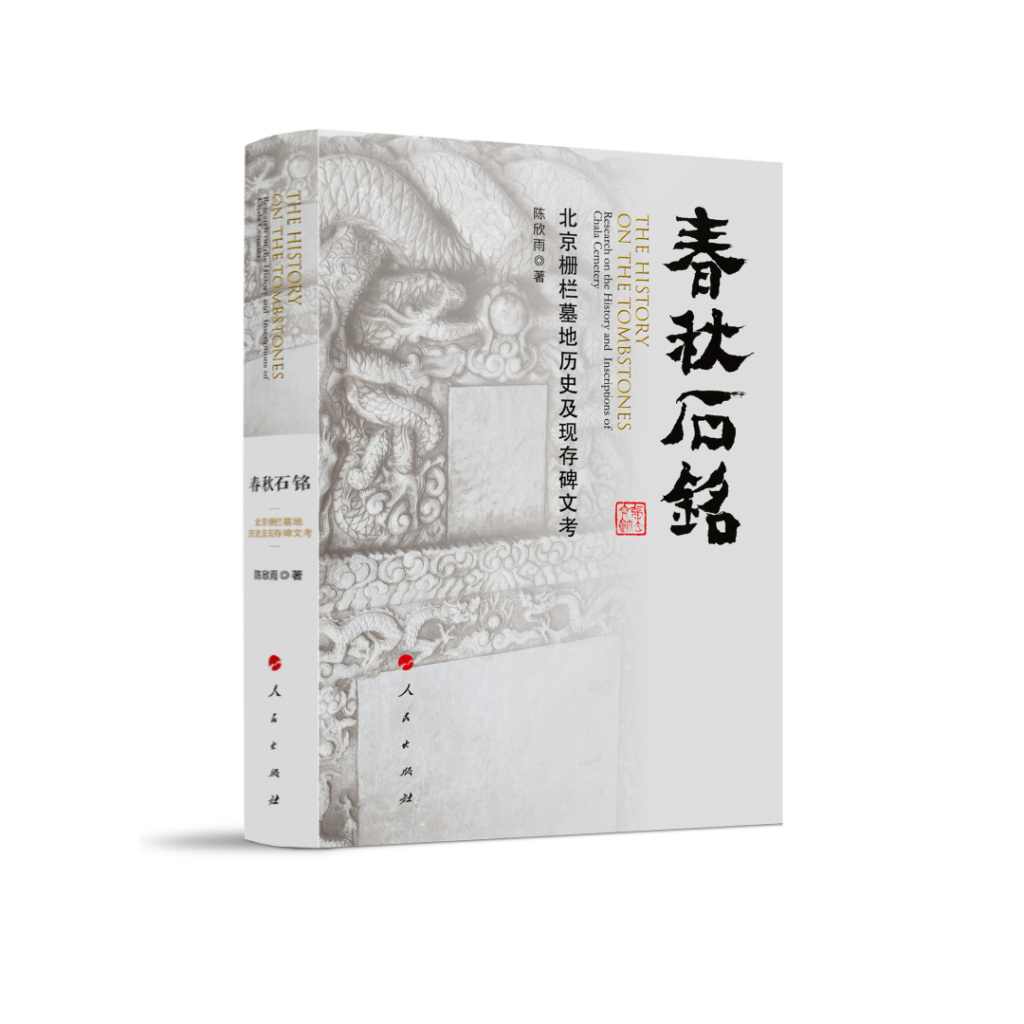
As an international academic institution with a Jesuit spirit, TBC is actively welcoming inspired and knowledgeable authors, business professionals, and scholars. On January 7, 2021, we had the pleasure of welcoming Chinese author and academic, Dr. Chen Xinyu. Continue reading “How Tombstones are Helping Uncover the Jesuits’ History in China”
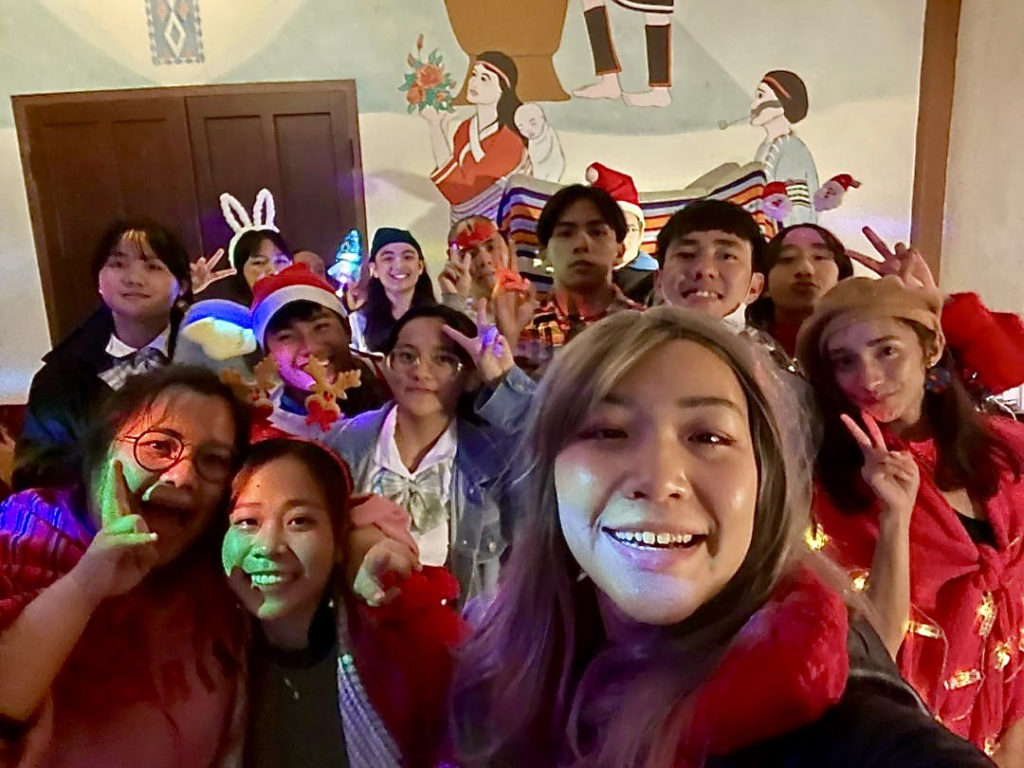
This pandemic has inevitably changed the way we celebrate. Physical gatherings are risky, potential super spreader events where people might catch the virus. The next best thing is to take the celebration online: Zoom parties are the norm these days. And while a virtual celebration is certainly different, we do what we can to stay connected.
Last December, two indigenous youth groups–one from the southern Philippines (Bukidnon, Davao, and Culion) and another from the small village of Chingchuan in Hsinchu County, Taiwan–met online for a Christmas celebration organised by the Jesuits working in indigenous ministry. Despite the geographical distance, language barriers and technical difficulties, the youthful energy and spirit of sharing pervaded over the gathering. As Conference President Fr Tony Moreno SJ noted in his message to the group, it was “the only network within the Jesuit Conference of Asia Pacific to have a Christmas celebration”. This was a true example of how the joy and enthusiasm of the youth, no matter what obstacles they face in life, cannot be extinguished. As Abegelle, a Food Technology student from Bukidnon State University put it, they are “divided by distance, united by the love and hope of our tribes”.
Fr Ambrosio Flores SJ, coordinator for the Jesuit Companions in Indigenous Ministry (JCIM), and Fr Barry Martinson SJ, a pioneer in this ministry and parish priest in Chingchuan, steered the participants to put together a programme centred on sharing–their identities as indigenous youth, as students, and as talented young people with bright futures ahead. From the livestream in Malaybalay, students from the seven tribes of Bukidnon were resplendent in their multi-coloured traditional clothing. Representatives from the Tagbanua tribe in the island of Culion and the Ateneo Lumad Students Association from Davao also participated.
Meanwhile in Taiwan, the lively group of Ayatal youth–all in high spirits from celebrating their Christmas party in the village church earlier that same evening–were bundled up in winter clothing, some wearing Santa hats and holiday accessories. They all had the chance to introduce themselves to each other. Fr Martinson emphasised using song and dance in the programme, which is universally appealing and easy to translate, as English was not spoken by everyone. The presentations were as diverse as the performers: from indigenous Ayatal songs, to traditional Filipino kundiman (love song) accompanied by acoustic guitar, from original rock ballads with full band to classic Christmas carols–and of course, dancing–the spirit of sharing their talents and expressions of joy for the season were palpable.
JCIM has done over two decades of apostolic work with communities all over Asia Pacific–aside from the Philippines and Taiwan, also Australia, Timor-Leste, Indonesia, Malaysia, Thailand, Vietnam, Laos, Myanmar, and Cambodia–and continue to accompany the youth, with a focus on integral formation. As indigenous youth often have to struggle with things other young people take for granted and face obstacles like poverty, discrimination, and maintaining their indigenous identity, it is important to accompany and encourage them and provide opportunities for growth.
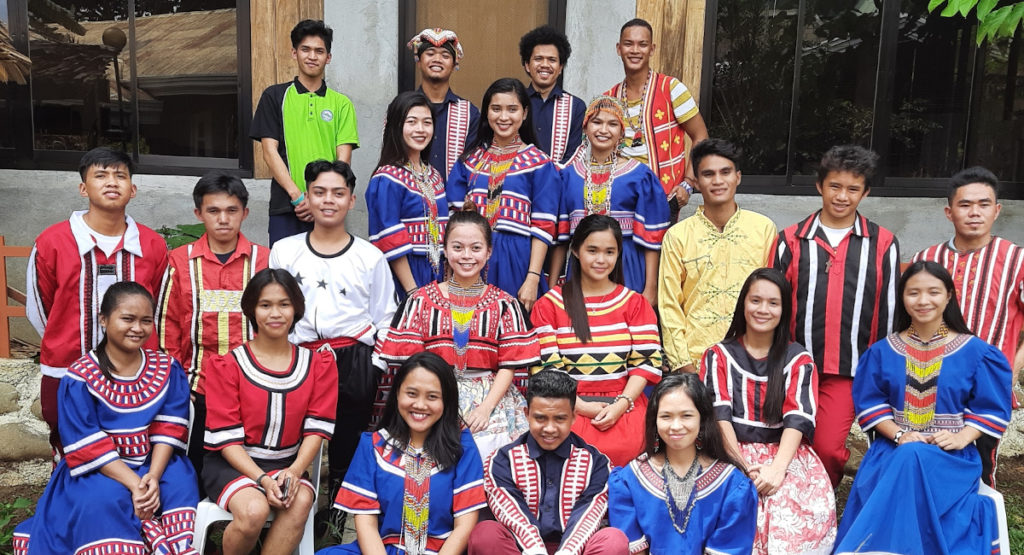
In Bukidnon, the Kapawa hu Paglaum College Scholarship and Formation Programme supports indigenous students as they strive for “self-governance and empowerment, and political, social, economic, and religious inclusion through accompaniment”.
In Chingchuan, while the youth all have the opportunity and resources to complete their education, they are also exposed to the arts through the artistic centres in the village, including the indigenously-designed primary school, a forest arts and crafts village, and the Catholic Church with its mosaics, murals, and stained glass. Thus equipped, they now have to find a way to “advance in society while sustaining and developing their own distinctive culture, to keep their faith in the face of a materialistic society, to preserve their characteristic warmth and hospitality with increasing tourism and opportunities to make money, to find meaning in life when so much has been given to them.” Today, Fr Martinson says, the Ayatal youth “are proud to be what they are. They have come a long way, and it has not been without struggle.”
The gifts from the JCIM online gathering were not in the form of material things. But the participants took home insights with far greater value. “The Christmas encounter made me believe that there is still a thriving fervour of love within the indigenous youth towards one’s tribe, one’s community,” shared Ereca, an agriculture student from the Manobo tribe. Needheart, a sociology major from Bukidnon State University, said: “Sharing with the indigenous youth across Asia Pacific is one of the most memorable moments for me. It reminded me of God’s love for us that is undeniably unending and big.”
If you would like to help the students through the Kapawa hu Paglaum College Scholarship and Formation Programme, please visit this link for more information.
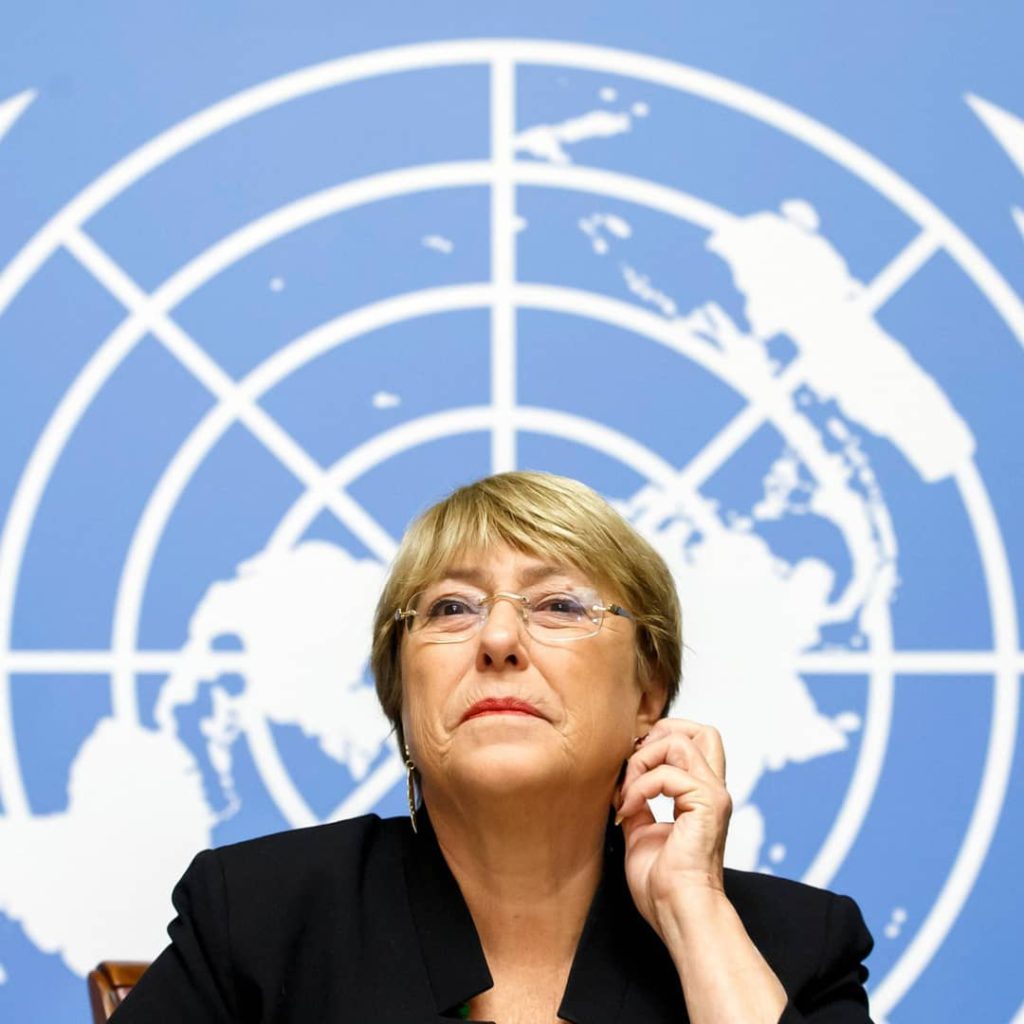
December 10, the International Human Rights day, was one of its kind this year for most Jesuit institutions. A unanimous cry for justice and respect of the basic human rights of Fr. Stan Swamy S.J, the 83-years old Jesuit priest and human rights activist, who has been unfairly imprisoned by the National Investigation Agency in India since October 8, was on the top of the agenda for these institutions. Continue reading “Jesuits intensify campaign for release of Fr. Stan Swamy”

The Beijing Center (TBC) hosted a Virtual Internship Showcase to recap the student-interns’ experiences during their Fall 2020 semester. TBC began offering virtual internship experiences to students interested in China and its growing business market as one way of adapting and modifying educational methods with the development of the global pandemic.
On 21 December, working professionals, professors, and TBC staff had the opportunity to hear from student-interns from Marquette University in Wisconsin, USA, and Sanata Dharma University in Yogyakarta, Indonesia about their individual experiences working with the World Wildlife Fund (WWF) and Glue Up (formerly EventBank).
The students shared their internship work and how it has contributed to improving their skills and giving them an upper hand in continuing their studies. A common topic was how they learned from a different country and company culture and how to communicate better when working with people in different time zones.
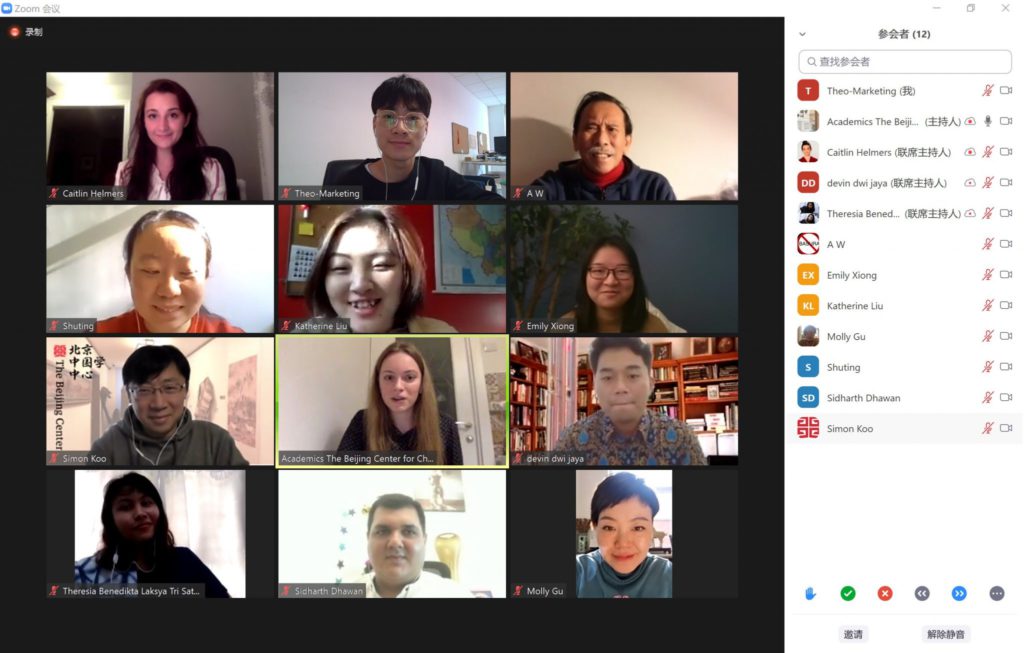
The showcase presentations concluded with a Q&A session from the audience. One of the supervisors commented on the challenges and blessings that virtual internships can bring during this particular time and how the experience of a virtual internship can help young professionals begin developing a solid remote work ethic and learning to work independently and effectively outside of the office environment.
This was the second time TBC held a Virtual Internship Showcase, the first being in summer 2020.

This celebration of Christmas is particularly different, and probably strange for some people. It feels more like a very long Advent rather than a Christmas celebration that we customarily do. But if Christmas means an authentic encounter with the birth of the Lord in our world today, then, there is an invitation to discern and follow the voice of the angel as the shepherds experience for themselves.
In Luke’s account of the birth of Jesus, the angel says to the shepherds who are struck with great fear: “Do not be afraid; for behold, I proclaim to you good news of great joy that will be for all the people.” In this familiar story, the shepherds, one of the most marginalised sectors of Jewish society, are the first to hear of the good news. Strangely enough, they find the infant who is both Messiah and Lord “wrapped in swaddling clothes and lying in a manger”. This image of fragility is very significant and powerful for our time, and especially for the most vulnerable among us. God enters into the depths of our humanity and frailty. Christmas is a season of hope. There is no place for fear or despair when we admit our vulnerabilities. Fear should give way to the hope that God remains with us even during this time of insecurity, joblessness, hunger, natural calamities, sickness, and death. Not even the saddest and most painful moments of human history can take away the consoling presence of our God-made-human.
Let us be like the shepherds, eager to find Jesus wherever he is. Let us learn from them as they radiate joy after their encounter with the infant. They see blessings despite the many challenges in life. For indeed, God is truly present amid the uncertainties, and struggles of humanity and creation.
Blessed Christmas to one and all!
Tony Moreno SJ
President, Jesuit Conference of Asia Pacific
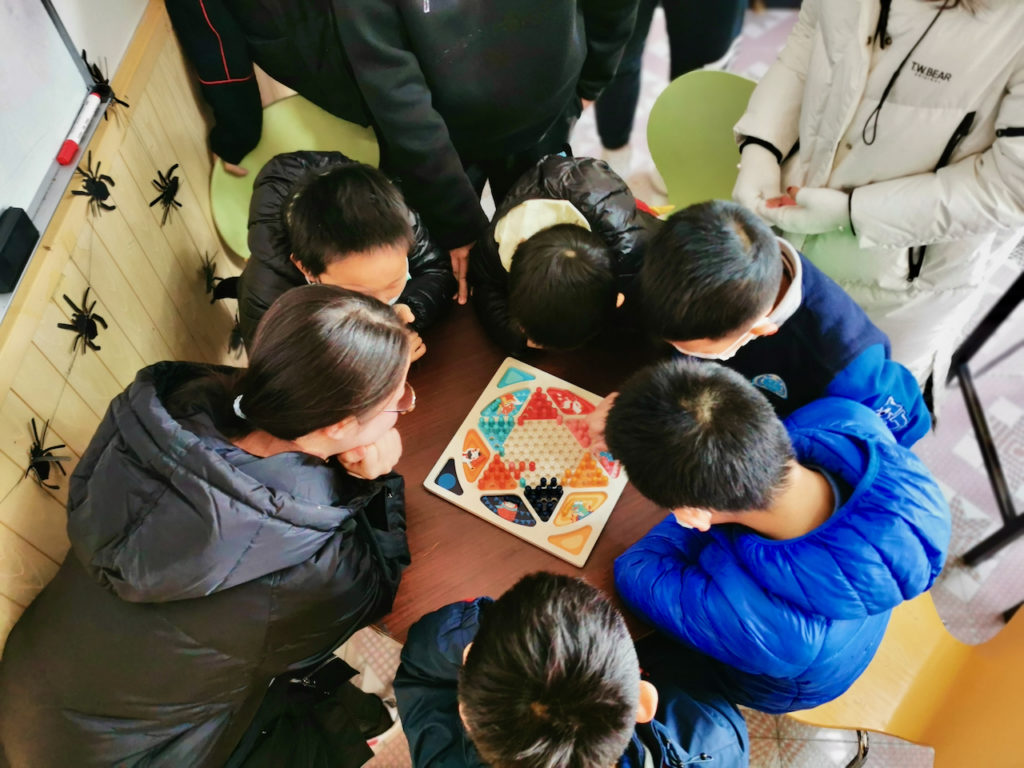
Each semester, students at The Beijing Center (TBC) are encouraged to participate in local service-learning activities to practice the Jesuit tradition of helping others and attaining a sense of social responsibility. This fall semester, TBC students volunteered at Five Loaves and Two Fish, an organisation acting to support migrant worker families. Continue reading “Multiplying the five loaves and two fish”
A mile from shore a fishing boat chummed the water, and the word for Breakfast Flock flashed through the air, till a crowd of a thousand seagulls came to dodge and fight for bits of food. But way off alone, a seagull was making hundreds of glides – making a curve, stretching his wings, twisting, stalling. Continue reading “A Wahyanite becomes the school supervisor – to be a bridge for students”