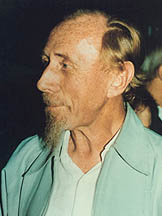
NEW DELHI (UCAN) — The people of Karamchedu knew where their hopes lay. Father Michael Anthony The dalit, former “untouchable” people, in Andhra Pradesh’s Prakasam district refused help even from the state government when a caste feud left them homeless and desperate in 1985. Instead, they turned to Father Michael Anthony Windey’s Village Reconstruction Organization (VRO) for help. The village leaders said they had found the Jesuit priest’s team inspiring. Father Windey, who died on Sept. 20 at age 88, was a figure of hope for thousands of villagers across India. Karamchedu villagers had already seen what the VRO had done for neighboring Kangadapada and Bapadlal villages in the wake of devastation wreaked by a cyclone. Thanks to the organization’s work there, the dalit villagers were able to abandon their mud huts and move into concrete buildings. New drainage systems improved hygiene, while newly planted trees brightened the villages. Child and adult education improved, and job skills taught by VRO volunteers fired youngsters with ambition. “We’ll help, yes, but on our terms,” Father Windey had replied when Karamchedu villagers approached him. He then shot them a question. “What have you done together?” “Nothing much,” they said. Then came the next question: “What do you think you can do?” The slightly built Belgian missioner with a goatee put these questions to thousands of landless laborers, fishermen with little fishing equipment, craftsmen with little security and tribal people displaced by mega-projects. Repeated over four decades, they worked wonders in hundreds of villages across India. For Father Windey, all crises were God-given opportunities for people’s development and growth. He used to say he hated providing cosmetic relief that kept people dependent and poor. The Jesuit also cited a chance meeting with Mahatma Gandhi and a later association with Gandhi disciple Jayaprakash Narayan as having convinced him of the need to make Indian villages more viable, complementing urban development. According to the priest’s analysis, about 2,700 urban centers in India draw the best from the country’s more than 575,000 villages. The result — villagers flood towns and slums mushroom. In 1962, more than 82 percent of Indians lived in villages. Within 20 years, this figure had fallen to 77 percent. To check this trend, Father Windey tried to make villages more livable, seeking to bring changes from within while rebuilding them. He insisted on people’s participation in rebuilding disaster-hit villages in new areas. This helped villagers overcome caste differences, he said, because people considered having a home more important than sticking to their caste. Over the decades, VRO villages have become symbols of equality and security. Social work might have been the last thing on his mind when his superiors sent him to India in 1946 to continue his priestly studies and work in the Chotanagpur region of eastern India. But he was at the forefront of Church relief work when famines hit Bihar and Madhya Pradesh in the 1960s. The late Cardinal Valerian Gracias of Bombay had noted his dynamism and, as head of the Indian Catholic Church, requested the young Jesuit’s help in Andhra Pradesh when it was devastated by a cyclone in 1969. Father Windey arrived in the southern Indian state with a single volunteer and little else. But he soon gathered voluntary groups, individuals and Church workers into a common relief effort to help cyclone victims. They started work in 10 villages, which eventually became models for others. Father Windey always chose the most isolated and least known villages to work in. Now, hundreds of such villages in Andhra Pradesh, Orissa and Tamil Nadu states have become beacons of hope for those suffering from illiteracy and oppression. The VRO has also brought about changes in the way NGOs approach village work. “He turned job seekers into volunteers, teachers into learners and officials into activists,” says Jose Vincent, who had worked with the Jesuit for decades. Bureaucrats and Church leaders also became listeners and sympathized with the Jesuit’s way of conducting interreligious dialogue at the grassroots level. The Andhra Pradesh government itself often turned to Father Windey for ideas and help in crises, such as during the caste feud in Karamchedu that claimed 15 lives 24 years ago.
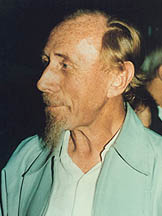
Windey (file photo)